
$18.00
Add to Cart
Dried Leaves Elm-Leaf Microcos Paniculata Grewia Microcos Powder Seeds Tea
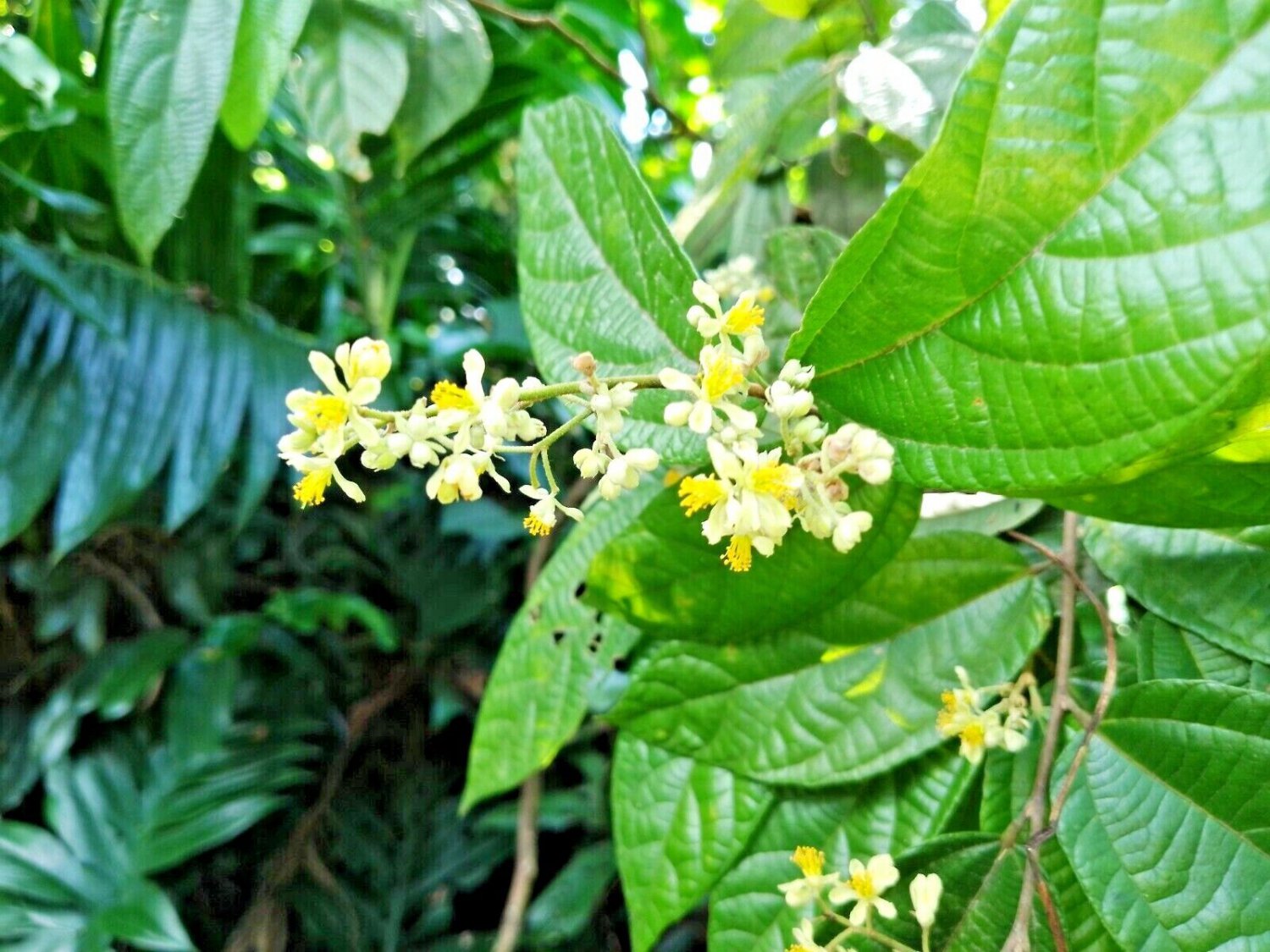


eCRATER Listing Template Visit Store New Arrivals Ending Soon Follow Us Contact Us Product Description Microcos paniculata, commonly known as Chinese Boxwood or Paniculate Microcos, is a versatile plant with a range of potential medicinal values. This elegant and ornamental shrub not only adds beauty to your garden but also offers various health benefits. Here's a brief eCRATER description highlighting its medicinal properties: BenefitsDigestive Support: Microcos paniculata has been used traditionally to aid digestion, providing relief from indigestion and promoting a healthy digestive system.Anti-Inflammatory Benefits: This plant contains compounds that may help reduce inflammation, making it a potential natural remedy for a variety of inflammatory conditions.Antioxidant Rich: Packed with antioxidants, Microcos paniculata helps combat oxidative stress, safeguarding your cells from free radical damage and contributing to overall well-being.Fever Reduction: It is believed to have antipyretic properties, meaning it could help lower fever when used in traditional remedies.Respiratory Health: This plant is known for its potential to alleviate respiratory discomfort, offering valuable support for maintaining healthy respiratory function.Detoxification: Some cultures have utilized Microcos paniculata for its potential detoxifying effects, aiding in the removal of toxins from the body.Wound Healing: Topically, its leaves have been used traditionally to promote wound healing, with potential antimicrobial and anti-inflammatory properties.Skin Care: The plant is reputed for its ability to soothe skin irritations and may be used in natural skincare preparations.Menstrual Health: It is traditionally used to support women's health, particularly during menstrual discomfort. Note In India, this plant is traditionally employed to address digestive issues, typhoid, dysentery, and syphilitic ulcers in the mouth. It has also been historically utilized to alleviate conditions such as smallpox, eczema, and skin itching. In southern China, the leaves are infused and consumed as a remedy for indigestion and a refreshing beverage. In Indo-China, children are sometimes given a beverage made from roasted and boiled leaves as a vermifuge. Please exercise caution when considering these traditional uses, as scientific verification may be lacking. Return Policy We accept product return within 7 to 15 days from delivery date but product should be in original position and not in damaged condition. The return shipping charges will be buyer responsibility. Shipping We ship products worldwide through standard express courier service. It will reach within 11 to 35 days to abroad buyers. We ship the product after received clear payment and give full information about shipment to the buyer. Please Contact us for Faster Shipping. We Ship Via Sri Lankan Post, UPS, Fedex, DHL, Colombo Mail, and Aromax. Payment Methods We accept payment through PayPal, Amex, credit or debit cards, and Payoneer. If any, please contact eCRATER. Cold LeuIndia: In India, Microcos paniculata is often referred to as "Gundi" or "Gundhi." China: In China, the plant may be known as "巴豆叶" (Bā dòu yè) in Mandarin, which translates to "Croton Leaf," although it's important to note that this name is shared with other plants. Thailand: In Thailand, it can be called "เตนท์" (Tĕňt̄) or "Ten" in Thai. Indonesia: In Indonesia, it is sometimes known as "Ratu" or "Ratu Udang." Malaysia: In Malaysia, it may be referred to as "Pokok Ratu." Vietnam: In Vietnam, it can be called "Cây Quất." Sri Lanka: In Sri Lanka, Microcos paniculata is known as "Kottamba." Philippines: In the Philippines, it is referred to as "Luyang dilaw" or "Dilaw." Japan: In Japan, it is known as "ヒツジグサ" (Hitsuji gusa) in Japanese. Myanmar (Burma): In Myanmar, it may be called "ထီး" (hti) in Burmese. Add Our Item to Your Watch List to Win Best Offers


 LK, Western Province